

 Support communities take action
 Access AfSL resources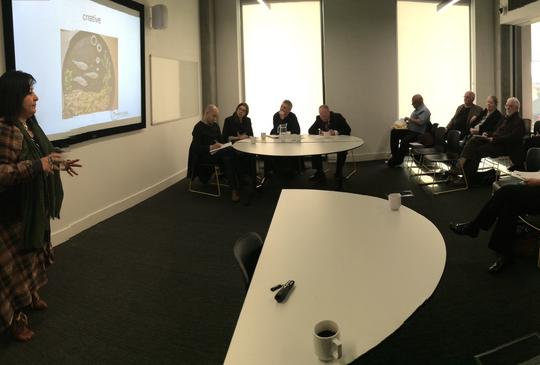


Making Art in Sustainable
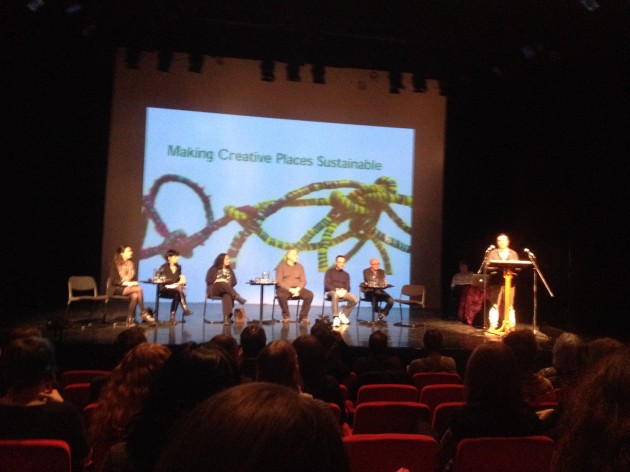
On 25th March, The University of ’s Contact Theatre played host to an event from Art Sustainability Team (MAST) in collaboration with Julie’s Bicycle. Titled ‘Making Creative Places Sustainable’, the venue
Talent Match muck in at The Lost Plot!
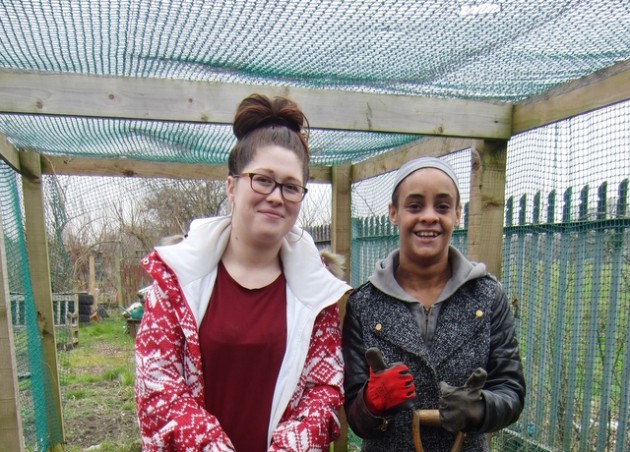
On Monday 16th March, 6 young people from the Factory Youth Zone in got stuck into a volunteering activity at a community allotment as part of the Tri Volunteering programme
M:ACF and MMU collaborate!
: A Certain Future (M:ACF) and Metropolitan University collaborated to deliver a successful ‘Tell Us’ event. AfSL volunteer Matthew Millet reports on the event, read all about it here.

AGM Minutes 2015
AfSL’s AGM was held on 20th February 2015. You can see the minutes form that meeting below. AfSL minutes of the AGM 20 February 2015












Projects
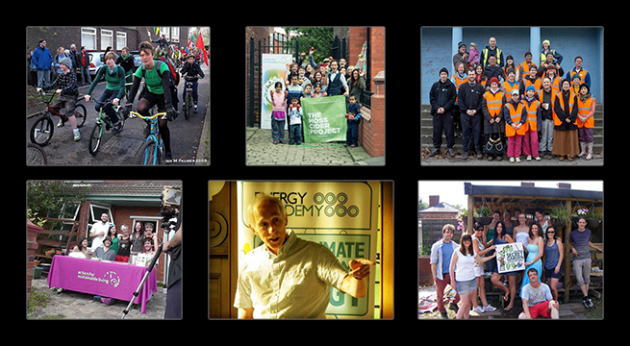
View the top
news items from
our projects
Places
Browse our map
to find out where
we've been active
People
Meet our staff, trustees and key volunteers

About Action for Sustainable Living
Welcome
Action for Sustainable Living (AfSL) is an award-winning based charity working to engage, enthuse and support people take action on environmental sustainability.
We offer training and support to individuals, communities and organisations throughout Greater and wider UK.
Our supported volunteering model unlocks the potential of individuals to achieve positive and lasting social, environmental and economic change.
Our services for local authorities, schools, housing associations and businesses address environmental priorities including energy efficiency, waste management, sustainable travel and food growing. We work closely with organisations and their stakeholders, by sharing professional knowledge and infectious enthusiasm to deliver action on the ground.
In 2008 we won a Guardian Charity of the Year award in recognition of our upbeat, inclusive and people-centred approach to progressing sustainability.
Loading map...

Loading map...
AfSL Twitter feed
Recent posts from our project leaders 
This is a Kim Alwyn BIG SHOUTOUT.
.. Hello everyone the time has come for the poly tunnel, pond, mountain and bridge to be completed. We are looking for people to help us out and make this happen this weekend. 10am start This Saturday The sand is going in the pond and shaped. Then the pond liner is going in. The poly […]
Big Digging for the Challenge Network
Our successful partnership with the Challenge Network continued with 36 of their volunteers coming to the garden on Saturday. This was one of the hardest working groups we’ve had, and we saw some pretty big holes getting dug and some tough tree roots getting chopped to pieces. There was some wood working too, with borders […]
RHS Award for the Garden
Mark Roberts was at Town Hall last Friday to receive a Sliver Level 4 Thriving Communities Award from the Royal Horticultural Society. Our two Princes Trust work placement volunteers, Connor and Stephen were there too to share their experiences of working at the garden. A great opportunity to network with other like-minded organisations, and […]